Pediatric Orthodontics in Redmond, WA
Orthodontic Care for Kids and Teens, Under One Friendly Roof
Early evaluations, interceptive treatment when it's needed, and Invisalign Teen later. Same office as their cleanings.
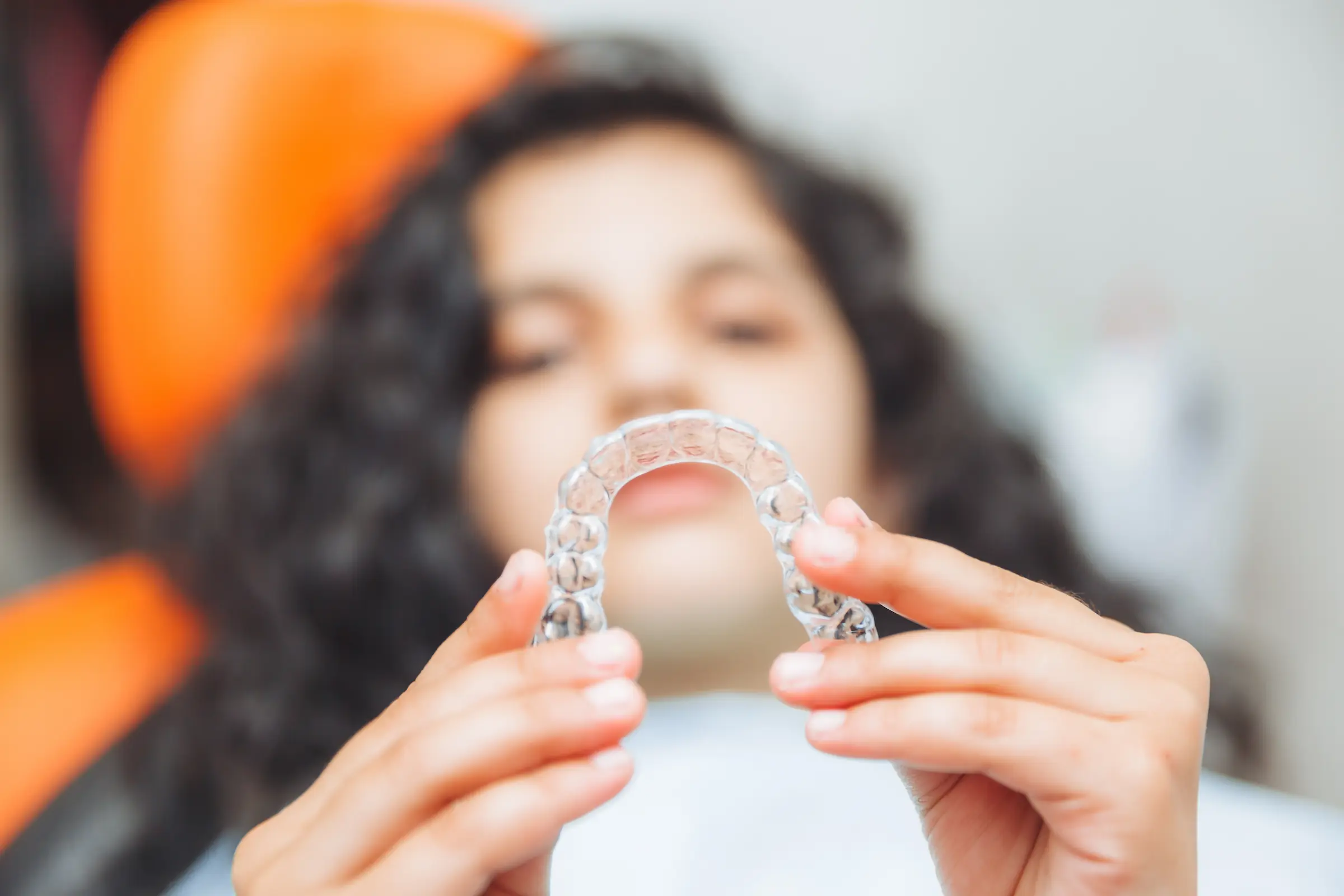
Age 7 Is the Standard Recommendation
The American Association of Orthodontists recommends a first orthodontic evaluation around age 7. By that age, your dentist can spot issues with jaw development, crowding, bite, eruption patterns, and habits (like thumb-sucking) that are far easier to address while a child is still growing. The screening visit does not mean your child needs braces right away. In many cases, the answer is “we will watch this and reevaluate in a year or two.”
In other cases, early (Phase 1) intervention can correct a developing problem while the jaw is still flexible, making later orthodontic treatment shorter, simpler, and less expensive.

What We Offer
Early orthodontic evaluation
A focused screening for bite issues, crowding, jaw development, and habits that may affect future alignment. Often done as part of a routine pediatric cleaning visit.
Interceptive (Phase 1) treatment
When a developing issue is best addressed early, we may recommend interceptive treatment to guide jaw growth, create space for incoming teeth, correct a crossbite, or address a habit like thumb-sucking. Phase 1 treatment typically uses limited appliances over a shorter window of time.
Comprehensive (Phase 2) treatment for older kids and teens
For older kids and teens ready for full orthodontic treatment, we offer Invisalign Teen and clear aligner therapy. Our orthodontic case planning brings residency-level alignment training to complex bite cases.
Retainer planning
Teeth want to move back after orthodontic treatment. We make sure your child finishes treatment with a clear retainer plan and the right appliances to keep their new smile stable for the long term.
What to Watch For at Home
- Visibly crooked, crowded, or widely spaced teeth
- Trouble biting or chewing
- Mouth breathing or persistent open-mouth posture
- Thumb-sucking past age 5
- Teeth that don’t come together properly when biting
- A jaw that shifts to one side when closing
- A “bad bite” running in the family
- Speech issues that may be related to tongue or jaw position
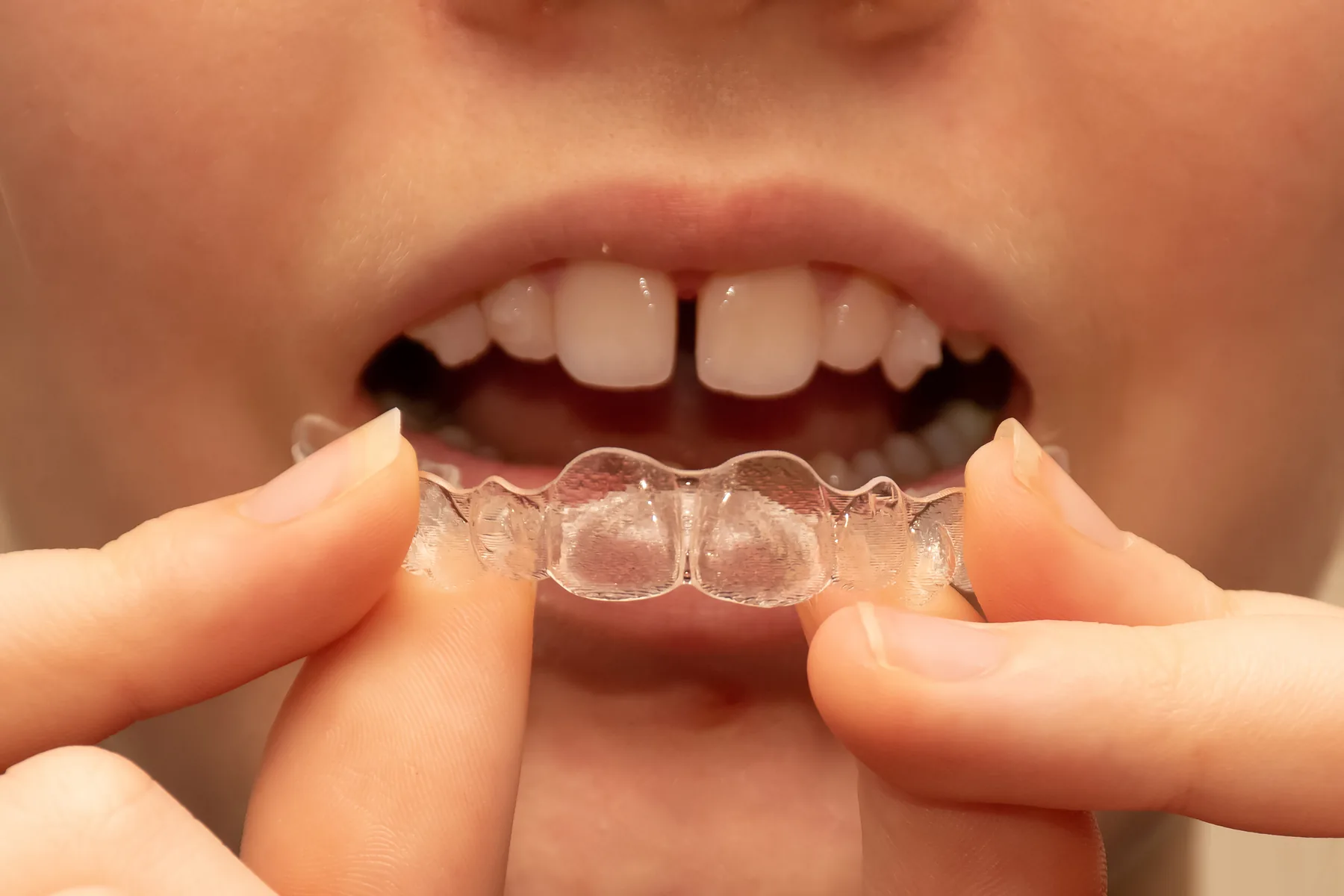
Invisalign Teen at Redmond Way
Clear aligner treatment designed for younger patients still growing, with built-in wear indicators so we can track how consistently they are worn.
A True Family Dental Home
One office for the whole family
Routine cleanings, restorative work, Invisalign, sleep apnea, and pediatric orthodontics all under one roof. Fewer offices to coordinate, and the same team that knows your child.
Recognized Invisalign provider experience
Our recognized provider tier reflects real volume and consistency in clear aligner cases, including Invisalign Teen.
Residency-trained orthodontic case planning
Our orthodontic case planning draws on residency-level training, which shapes how we evaluate tooth position, bite relationships, and the connection between alignment and long-term oral health.
A no-pressure approach families appreciate
Our reviews consistently highlight that we don’t push treatment patients don’t need. We bring the same approach to pediatric orthodontics: if a screening tells us “watch and reevaluate,” we will say so honestly.
When a specialist orthodontist is the better choice
We treat many pediatric ortho cases in-house, but some are better handled by a full-time pediatric orthodontist: complex jaw alignment issues, surgical orthodontics, certain growing-patient cases, or any situation where a specialist scope is more appropriate. When that is the case, we will tell you honestly and refer to a trusted orthodontist on the Eastside.
Frequently Asked Questions
At what age should my child have an orthodontic evaluation?
Around age 7. By that age, problems with jaw development, crowding, or bite can be identified while a child is still growing. In many cases the screening visit simply confirms there is nothing to do yet.
Does an early evaluation mean my child needs braces right away?
No. In many cases, the conclusion is “monitor and reevaluate in a year or two.” When early treatment is recommended, it is because addressing the issue while the jaw is still flexible is meaningfully easier and more effective than waiting.
What is Phase 1 vs. Phase 2 orthodontic treatment?
Phase 1 is interceptive treatment done in a growing child to address a specific developing issue. Phase 2 is comprehensive orthodontic treatment (full braces or clear aligners) done in older kids and teens to align the teeth across the full arch.
Does my child need braces or can they use Invisalign?
It depends on the case. Many older kids and teens are good candidates for Invisalign Teen. For complex bite issues or younger growing patients, traditional appliances may be more appropriate.
How much does pediatric orthodontic treatment cost?
Cost depends on whether Phase 1, Phase 2, or both are recommended, the appliances used, and the complexity of the case. We provide a clear written estimate at your consultation, including insurance coverage. CareCredit financing is available.
Does insurance cover pediatric orthodontics?
Many PPO dental plans include an orthodontic benefit (often a lifetime maximum for the patient). We verify your specific benefits before treatment.
Will my child miss school for orthodontic appointments?
Check-in visits are short and we work hard to schedule around school hours where possible. Most appointments take 20 to 45 minutes.
What if my child needs a specialist orthodontist?
We will tell you honestly and refer to a trusted Eastside orthodontist when that is the right call.