Dental Exams & Cleanings in Redmond, WA
The Visit That Prevents the Other Visits
Whether it's been 6 months or 6 years, you can expect thorough but gentle exams and cleanings, with no judgment.

The Foundation of a Healthy Mouth
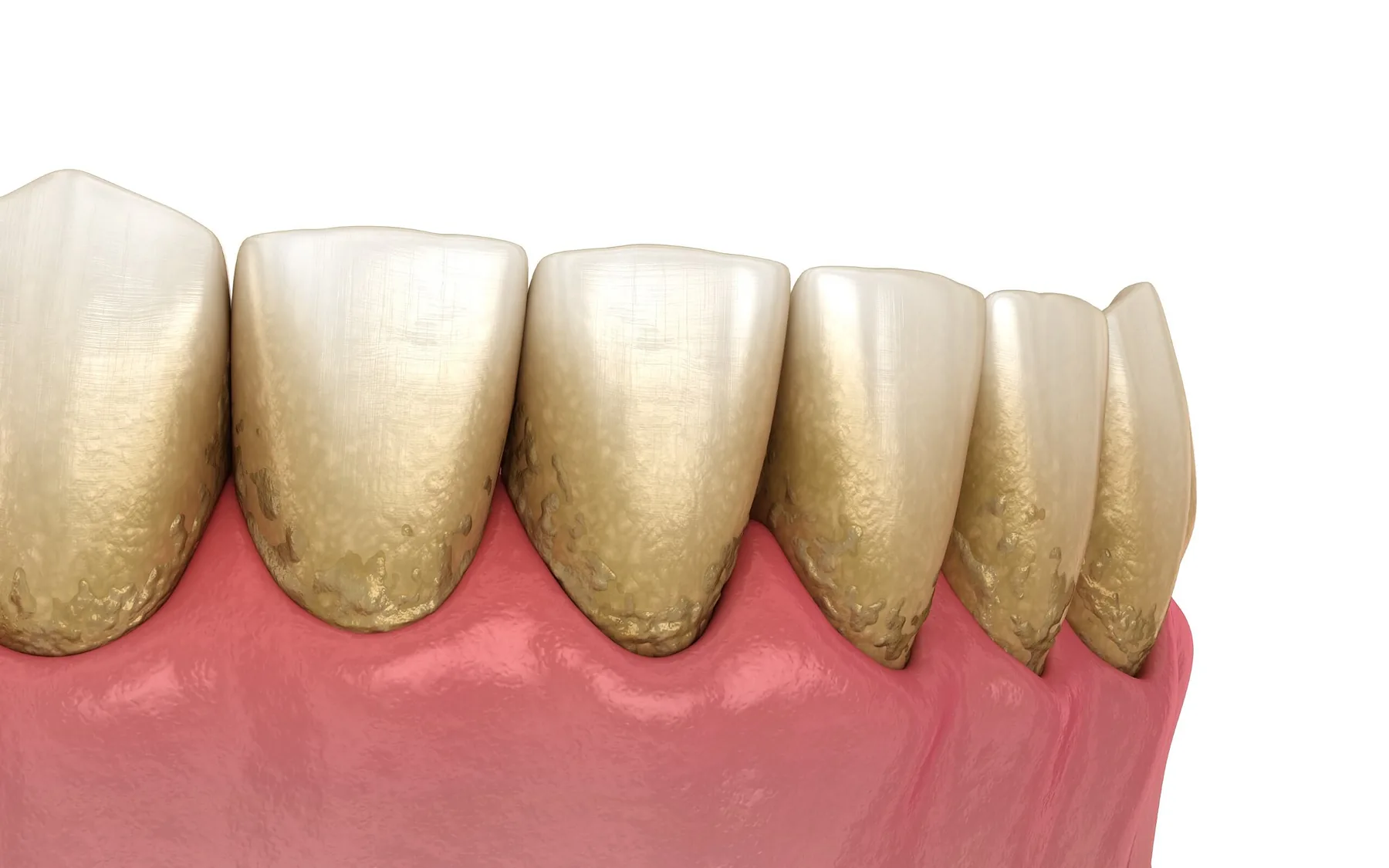
Most dental problems are far easier to treat when they are caught early. A small cavity is a quick filling; the same cavity left for a year can become a root canal and a crown. Gum disease in its earliest form is reversible with a cleaning and better home care; advanced gum disease takes considerably more work to manage, and can cost you teeth.
Routine exams give us a clear picture of how your mouth is changing over time, and routine cleanings remove the hardened tartar that brushing and flossing simply cannot reach. Together they are the single best investment you can make in both your long-term dental health and your future dental bills.
What We Check at Every Exam
- Visual and tactile examination of every tooth, looking for new decay, wear, cracks, or failing restorations
- Digital X-rays when they are needed — we follow ADA guidelines on frequency and use the lowest dose required
- Periodontal exam, including pocket depth measurements at six points around every tooth
- Oral cancer screening of the lips, tongue, palate, cheeks, throat, and lymph nodes
- Bite and jaw evaluation, including signs of grinding or TMJ-related wear
- Review of your existing dental work and how it is holding up
- Intraoral photos, so you can see what we see rather than take our word for it
- A plain-language conversation about what we found, what is urgent, and what can wait
If something does need attention, you get a written estimate before anything is scheduled — along with an honest answer about whether it needs doing now or can reasonably be watched.
A Gentle, Thorough Cleaning
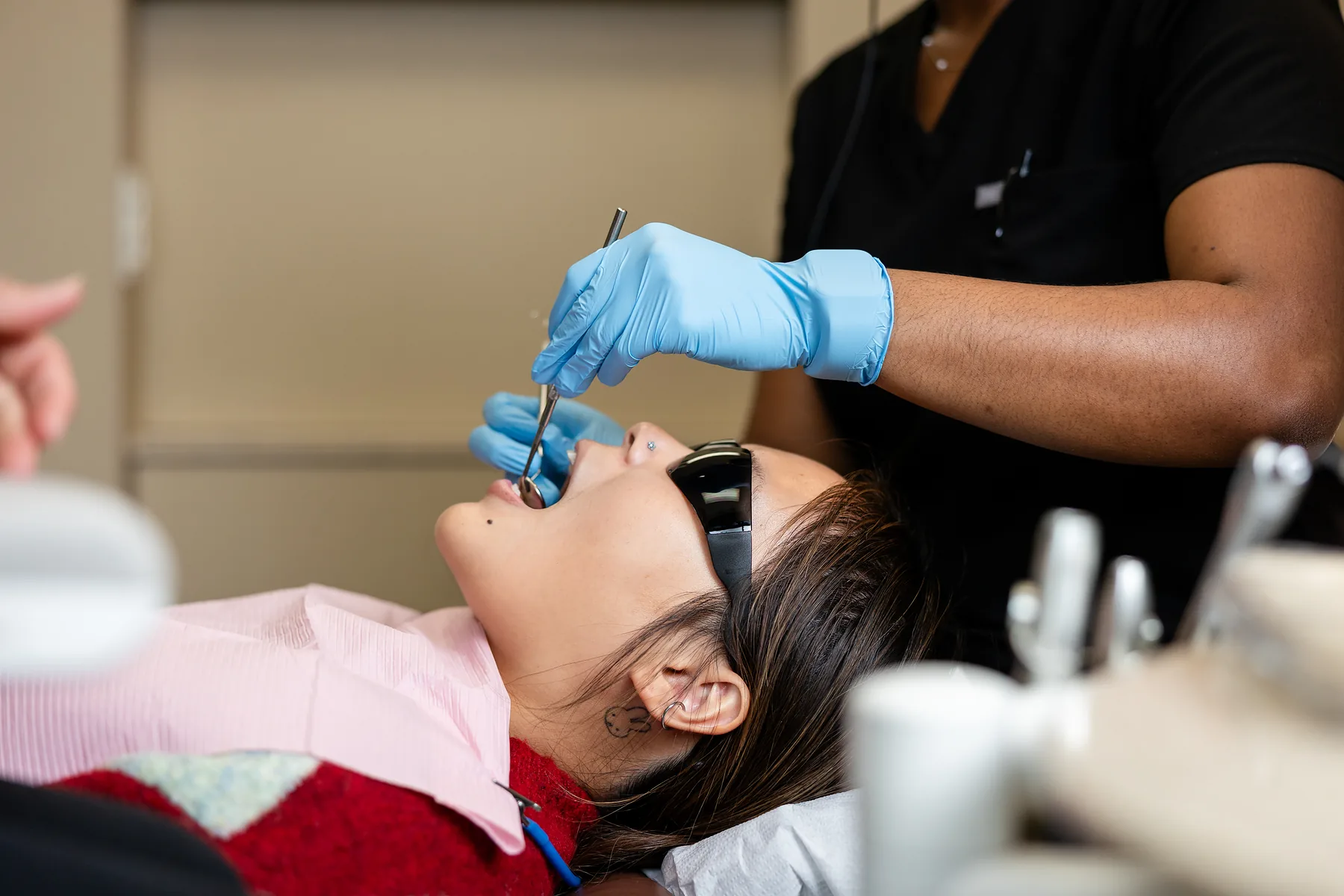
Your cleaning is performed by a licensed dental hygienist using modern ultrasonic and hand instruments to remove plaque and tartar from above and below the gumline. We polish to lift surface stain, floss, apply fluoride if you would like it, and finish with home-care guidance based on what we actually found in your mouth rather than a generic script.
Not every cleaning is the same
- Routine prophylaxis — the standard preventive cleaning, for patients with healthy gums.
- Periodontal maintenance — for patients who have been treated for gum disease and need to be seen more often to keep it stable.
- Scaling and root planing — a deep cleaning below the gumline for patients with active gum disease, usually completed over one or two visits with local anesthetic for comfort.
If your gums need more than a routine cleaning, we will explain why and show you the measurements — rather than quietly doing something different from what you booked.

How Often to Come In
Most people do well with an exam and cleaning every six months. Patients with a history of gum disease, certain medical conditions, or a high cavity risk often do better at three- or four-month intervals. We recommend a schedule that fits your mouth rather than a blanket policy — and we will tell you when six months is genuinely enough.
Your first visit
We hold time in the schedule for new patients, and same-day appointments are often available if you call early in the day. When your oral health allows it, we complete the comprehensive exam and the cleaning in the same visit, so you leave knowing exactly where you stand instead of making two trips.
Kids and teens
Children and teens are welcome here for routine cleanings and exams, with the time and patience to make early visits feel ordinary rather than frightening.
Learn more about Pediatric Dentistry →
If it has been a long time
Nobody here is going to comment on how long the gap has been. If a lot of buildup has accumulated, we will tell you honestly what it will take to get back on track and in what order — and it is usually less dramatic than people fear.
Frequently Asked Questions
What is included in a comprehensive exam?
A tooth-by-tooth examination for decay, wear, cracks, and failing restorations; a periodontal exam with pocket depth measured at six points around every tooth; an oral cancer screening of the lips, tongue, palate, cheeks, throat, and lymph nodes; a bite and jaw evaluation including grinding wear; digital X-rays when needed; and intraoral photos so you can see what we see.
Do I need X-rays at every visit?
No. We follow ADA guidelines on frequency and take X-rays only when they are clinically needed, using the lowest dose required. How often depends on your cavity risk and history, not on a fixed schedule.
What is a deep cleaning and why would I need one?
Scaling and root planing — a deep cleaning below the gumline — is recommended when gum disease is active and tartar has built up in the pockets around the roots. It is usually done over one or two visits with local anesthetic. A routine cleaning cannot reach that far down, which is why the distinction matters rather than being an upsell.
What is periodontal maintenance?
It is the ongoing cleaning schedule for patients who have already been treated for gum disease. Because those patients are at higher risk of it returning, visits are usually every three or four months rather than every six, and the cleaning goes further below the gumline than a routine prophylaxis.
My gums bleed when I floss. Is that normal?
Common, but not normal. Bleeding is usually the earliest sign of gum inflammation, and at that stage it is reversible with a cleaning and better home care. It is worth mentioning at your visit rather than waiting for it to settle on its own.
Can I get my exam and cleaning in the same visit?
Usually, yes — when your oral health allows it. We hold time in the schedule for new patients and complete both in one appointment where we can. If we find your gums need a different kind of cleaning than the one you booked, we will explain why and schedule the right visit rather than proceeding without telling you.
Does a cleaning whiten my teeth?
A cleaning removes surface stain from coffee, tea, and tobacco, so teeth often look brighter afterward — but it does not change the underlying shade of the tooth. If you want teeth genuinely lighter than their natural color, that is whitening, which is a separate treatment.
Is an oral cancer screening part of the exam?
Yes, at every comprehensive exam, at no extra charge. We check the lips, tongue, palate, cheeks, throat, and lymph nodes. Oral cancer is far more treatable when it is found early, and a routine dental visit is where it is most often spotted.
Does insurance cover exams and cleanings?
Most PPO dental plans cover preventive visits at or near 100%, typically twice a year. Deep cleanings and periodontal maintenance are usually covered at a lower percentage. We verify your specific benefits before your visit so you know what to expect.
It has been years since my last cleaning. What should I expect?
A thorough exam, an honest picture of where things stand, and a plan in order of priority. If significant tartar has built up, you may need a deeper cleaning before a routine one — we will show you the measurements and explain why. What you will not get is a lecture about the gap.